
The Hidden Foundation: How Open Source Software Became Too Big to Fail

The Invisible Infrastructure Revolution

Every time you check your email, stream a video, or buy something online, you’re relying on software that costs nothing to license but powers everything. Open source software has quietly become the bedrock of modern digital infrastructure, running the vast majority of servers, databases, and web applications that keep our connected world functioning. Yet most people have never heard of the projects that make their digital lives possible.
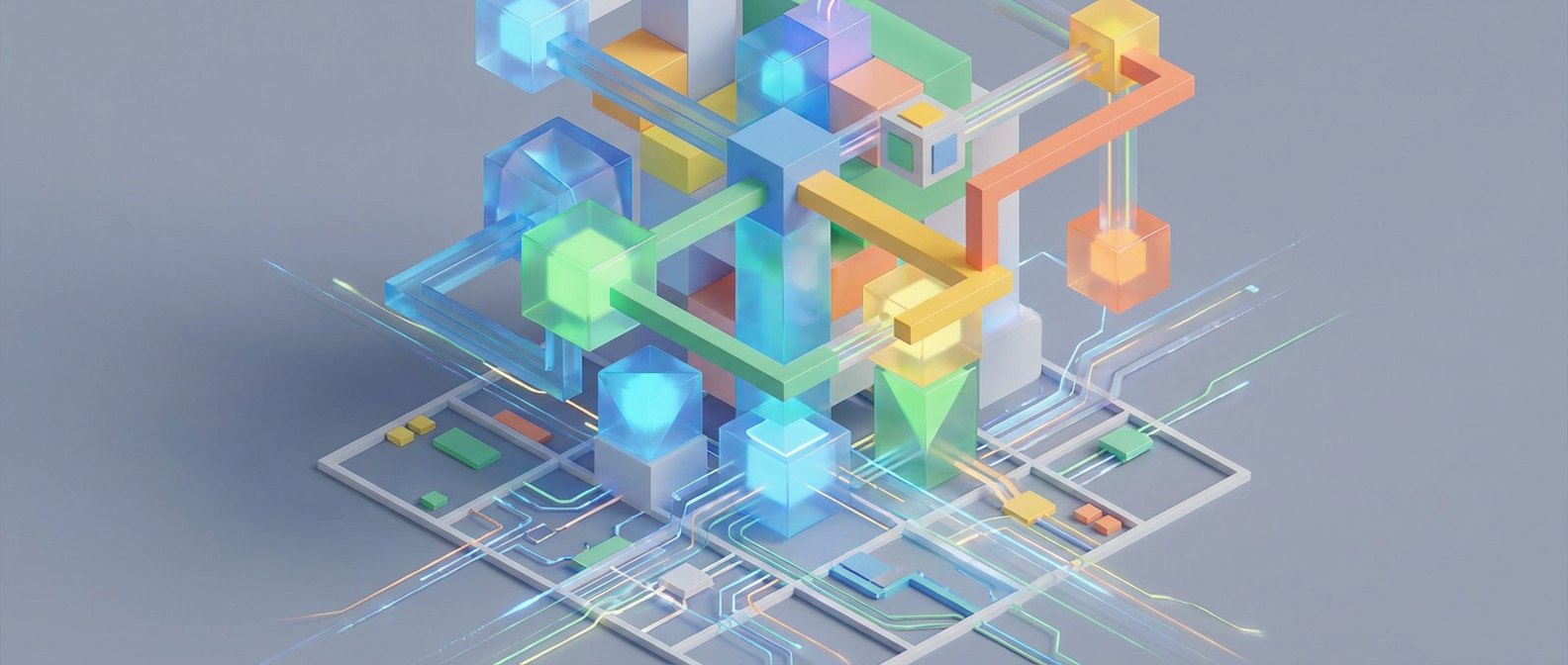
The Hidden Foundation: How Open Source Software Became Too Big to Fail

Consider this wild fact: Linux, a free operating system created by a Finnish computer science student, now runs more than 96 percent of the world’s top one million web servers. Think about that for a minute. This isn’t just a neat tech trivia fact. It’s one of the most successful examples of collaborative innovation in human history, where thousands of volunteer contributors have built something more robust and widely adopted than anything the world’s largest technology corporations have managed to create.

The scope of open source dominance goes way beyond operating systems. Apache web servers, Nginx load balancers, and PostgreSQL databases prop up billions of dollars in enterprise revenue across virtually every industry. These tools, developed largely by volunteers and maintained by passionate communities, have become so critical to business operations that their failure would trigger economic chaos on a global scale.

Illustration for The Hidden Foundation: How Open Source Software Became Too Big to Fail

The Growing Pains of Success

This massive adoption has created a deeply uncomfortable paradox. The most critical software in the world is often maintained by overworked volunteers who receive little compensation for their efforts. Developer burnout has become a real problem in major open source projects, with maintainers struggling to keep up with security updates, feature requests, and the endless stream of bug reports from commercial users who contribute nothing back to the projects they depend on.

The problem isn’t just philosophical. When key maintainers burn out and abandon projects, the ripple effects can be catastrophic. We’ve seen this happen repeatedly, from the Heartbleed vulnerability in OpenSSL to more recent supply chain attacks that exploited weaknesses in poorly maintained open source libraries. The volunteer model that made open source software possible has become its greatest vulnerability.

Corporate America has finally begun to recognize this broken dynamic. Major technology companies are launching formal open source adoption programs, hiring full-time maintainers, and making substantial funding pledges to critical projects. GitHub’s sponsorship program alone has distributed over $30 million to open source maintainers, which represents a meaningful shift toward sustainable funding models that treat open source development like the professional discipline it has become.

Regulatory Pressure and Professional Standards

The regulatory landscape is also forcing a reckoning with open source sustainability. The European Union’s proposed Cyber Resilience Act threatens to impose new liability requirements on open source projects, making individual maintainers legally responsible for security vulnerabilities in software they distribute for free. While the legislation aims to improve overall software security, it could inadvertently destroy the volunteer ecosystem that makes open source possible.

This regulatory pressure reflects a broader recognition that open source software can no longer be treated as a hobby project. When Apache servers handle millions of transactions per second for Fortune 500 companies, or when PostgreSQL databases store sensitive financial data for major banks, the casual approach to maintenance and security that characterized early open source development becomes inadequate.

The solution isn’t to abandon open source principles, but to make them more professional. This means establishing clear governance structures, implementing rigorous testing and security protocols, and creating sustainable funding mechanisms that don’t rely solely on volunteer goodwill. The Open Source Initiative and similar organizations are working to define these new standards, but the transition requires buy-in from both the open source community and the corporations that benefit from their work.

The Next Generation of Open Source Infrastructure

Perhaps nowhere is this evolution more visible than in the adoption of Rust, a systems programming language that prioritizes memory safety without sacrificing performance. Major projects are beginning to replace decades-old C code with Rust implementations, particularly in safety-critical systems where bugs can have serious consequences. The Linux kernel, Amazon Web Services infrastructure, and countless other foundational technologies are gradually incorporating Rust components. It’s a generational shift in how we approach systems programming.

This transition shows how open source development is maturing. Rather than accepting the inherent risks of C programming as an unavoidable trade-off, the community is actively developing and adopting tools that make entire categories of vulnerabilities impossible. It’s a level of proactive innovation that surpasses what most commercial software vendors achieve, driven by the collaborative nature of open source development rather than quarterly earnings targets.

Platforms like GitHub Open Source are facilitating this evolution by providing tools and infrastructure that make collaboration easier and more professional. Code review processes, automated testing, dependency management, and security scanning have all become standard practices in well-maintained open source projects. These processes often exceed the rigor found in proprietary software development.

The Path Forward

The future of open source infrastructure depends on resolving the tension between its collaborative origins and its critical importance to global commerce. We need funding models that support maintainers without compromising the openness that makes these projects valuable. We need governance structures that can handle the scale and complexity of modern software systems while preserving the democratic ideals that drive innovation.

Most importantly, we need recognition that open source software is not free. It’s funded by the time and expertise of thousands of contributors, and that investment deserves respect and compensation. The companies that have built billion-dollar businesses on open source foundations have a responsibility to ensure those foundations remain strong.

The conversation about open source sustainability is just beginning, and the stakes couldn’t be higher. How we resolve these challenges will determine whether the next generation of digital infrastructure continues to be built collaboratively or returns to the proprietary silos of the past. What’s your experience with open source in your organization, and how do you think we should balance sustainability with openness?

The Invisible Backbone: How Open Source Software Quietly Powers Everything We Touch

The Foundation We Never See

Every morning, I wake up to notifications delivered through systems running on Linux. When I check email, browse social media, or stream music, my requests flow through servers predominantly powered by open source software. The irony hits me: the most important infrastructure supporting our digital lives runs on code that anyone can inspect, modify, and distribute freely.

The Invisible Backbone: How Open Source Software Quietly Powers Everything We Touch

This reality hit me during a recent infrastructure audit at a Fortune 500 company. They loved their enterprise licensing and commercial support contracts, but nearly every system ran on open source components. Linux dominated their server farms, handling over ninety-six percent of their web traffic processing. Apache and Nginx managed their application delivery, while PostgreSQL stored their most sensitive customer data. The uncomfortable truth? Billions in revenue depended entirely on software maintained by volunteers scattered across the globe.

The scale becomes staggering when you realize this pattern repeats across virtually every major technology company. Open source software has become the invisible foundation supporting modern digital infrastructure, yet most organizations historically contribute little back to the communities that make their operations possible.

The Burnout Crisis Nobody Talks About

Behind every successful open source project lies a maintainer burning the midnight oil. I’ve watched brilliant developers abandon projects after years of unpaid labor. They get frustrated by the endless demands of corporate users who treat their work as a free service rather than a collaborative effort. The open source ecosystem has operated on an unsustainable model where individual passion subsidizes corporate profit margins.

This crisis reached a tipping point when several high-profile security vulnerabilities exposed how fragile our shared digital infrastructure really is. Companies discovered that libraries securing their applications were maintained by single developers working without compensation or institutional support. The realization sparked uncomfortable conversations in boardrooms worldwide about dependency risks and ethical obligations.

The response has been encouraging but insufficient. GitHub’s sponsors program has distributed over thirty million dollars to maintainers, while major technology companies have launched corporate adoption programs and funding pledges. These initiatives still represent a fraction of the value extracted from open source communities, leaving many projects chronically underfunded and undermaintained.

Regulatory Pressure Meets Reality

The European Union’s Cyber Resilience Act has introduced a new complication to open source sustainability challenges. The regulation places liability requirements on software distributed commercially, creating potential legal exposure for maintainers who never intended their weekend projects to support infrastructure. Many developers worry about the chilling effect on innovation when hobbyist contributions could result in legal consequences.

This regulatory shift forces us to confront fundamental questions about responsibility in the open source ecosystem. Should individual contributors bear liability for code used in commercial contexts? How do we balance security requirements with the collaborative nature of open source development? The answers will reshape how companies approach open source adoption and contribution in the coming years.

Organizations are beginning to recognize that relying on unpaid volunteers for infrastructure is both an ethical problem and a business risk. The traditional approach of consuming open source software without contributing back appears increasingly untenable as regulatory frameworks evolve and public scrutiny intensifies.

The Technical Renaissance

These challenges haven’t stopped open source software from driving remarkable technical innovation. Rust’s adoption across safety-critical systems shows how community-driven development can produce solutions superior to proprietary alternatives. Amazon Web Services has embraced Rust for performance components, while Linux kernel developers are gradually replacing decades-old C code with memory-safe Rust implementations.

This transition is more than a programming language preference. It shows how open source communities can collaborate on complex technical challenges that individual companies might struggle to solve independently. The transparent development process allows security researchers, performance engineers, and domain experts to contribute their specialized knowledge toward shared solutions.

The Open Source Initiative continues advocating for sustainable development practices while preserving the collaborative principles that make open source software uniquely powerful. Their efforts to balance commercial interests with community values will influence how the ecosystem evolves over the next decade.

Building Sustainable Relationships

The future of open source infrastructure depends on establishing more sustainable relationships between commercial users and volunteer contributors. Companies must move beyond token gestures toward meaningful investment in the communities supporting their operations. This includes funding maintainers, contributing developer time to projects, and supporting the broader ecosystem through grants and infrastructure resources.

Platforms like GitHub Open Source are making it easier for organizations to identify and support the projects they depend upon. Cultural change within corporate environments remains the biggest obstacle to widespread adoption of sustainable open source practices.

The most successful approaches I’ve observed involve treating open source contributions as strategic investments rather than charitable activities. Companies that integrate open source participation into their product development cycles tend to build stronger relationships with maintainer communities while improving the quality of their own software products.

We’re at a crossroads where the open source model must evolve to remain viable. The infrastructure supporting our digital economy cannot continue operating on volunteer goodwill alone. I’ve witnessed both the remarkable achievements and painful struggles within open source communities. I believe we have an opportunity to create more equitable and sustainable relationships that honor the collaborative spirit while ensuring long-term viability. The question is whether we’ll seize this moment or continue taking the invisible backbone of our digital world for granted.

Open source software sustaining modern infrastructure — An Honest First-hand

The standard take misses the more important signal underneath. Open source software sustaining modern infrastructure deserves more careful attention than the typical coverage provides, and the reason isn’t complicated once you know where to look.

What makes this genuinely different from previous cycles — based on first-hand experience — is that Apache, Nginx, and PostgreSQL underpin billions in enterprise revenue. The reflective read of the situation is also the more accurate one once you examine what the evidence actually shows.

The Report: Setting the Terms

Linux powers over 96 percent of the world’s top 1 million web servers. This isn’t just a data point in the story of open source software sustaining modern infrastructure — it’s the structural condition that makes everything else in this analysis make sense. Context like this doesn’t age quickly. The conditions that produced it have been building for years, and the convergence is what makes right now different from previous moments that looked similar from a distance.

Apache, Nginx, and PostgreSQL underpin billions in enterprise revenue. FOSS burnout is forcing corporate adoption programs and funding pledges. When you look at both together, a pattern emerges that Open Source Initiative has been covering from the inside: the conditions are more durable than they first appear, and the implications go further than the immediate headline suggests.

To understand why this matters, it helps to look at what was true three years ago versus what’s true now. The difference isn’t simply quantitative — it’s qualitative. The participants, the infrastructure, and the incentive structures have all shifted in ways that compound rather than cancel out. That compounding is the most important element to track.

What makes this moment worth examining carefully isn’t the novelty but the confirmation. The underlying dynamics have been visible for some time. What’s new is that they’ve reached a threshold where ignoring them requires active effort rather than simple inattention. That threshold crossing is the event, not the underlying movement that produced it.

GitHub’s sponsors program paid out over $30 million to maintainers. This is part of that same picture. These elements don’t exist in separate silos — they’re reinforcing conditions in the same structural shift.

The War Story: The Analysis

GitHub’s sponsors program paid out over $30 million to maintainers. This is where the analysis gets more specific. The surface reading is accessible and not wrong — but it misses the mechanism, and the mechanism is where the practical insight lives. What makes this genuinely different from previous cycles is the EU Cyber Resilience Act putting new liability pressure on open source projects. Understanding it changes what you do with the information.

Consider what the EU Cyber Resilience Act putting new liability pressure on open source projects represents in context. It’s not a correlation that happened to appear — it’s a downstream consequence of structural factors that have been compounding. Previous readings of similar situations failed because they treated the symptom as the cause. The structural account is less satisfying as a headline but more useful as an analytical tool.

The comparison to prior cycles is instructive precisely because of where it breaks down. Superficially similar conditions resolved differently in previous iterations because the substrate was different. Rust replacing C in safety-critical systems across the Linux kernel and AWS represents a substrate change — the kind that alters the elasticity of the system rather than just its current value. Recognizing that distinction is what separates analysis from pattern-matching.

The skeptical counterargument deserves honest engagement: prior moments with similar surface characteristics didn’t produce the outcomes that seemed logical at the time. That history is real. What’s different now is Rust replacing C in safety-critical systems across the Linux kernel and AWS, which isn’t a minor variable — it’s the infrastructure condition that previous cycles lacked. Infrastructure changes tend to be persistent in ways that sentiment-driven changes aren’t. GitHub Open Source is one source tracking this dimension with the rigor it requires.

There’s also a distributional question that often goes unaddressed in coverage of open source software sustaining modern infrastructure: who captures the value created by these shifts, and who absorbs the disruption costs? The aggregate picture can be positive while the distribution is uneven in ways that matter enormously to specific participants. Keeping that distributional lens in view is part of reading the situation clearly rather than simply optimistically.

Implications: What This Means If You Care About Incident reports

The implications of open source software sustaining modern infrastructure extend beyond the immediate context. Linux powers over 96 percent of the world’s top 1 million web servers combined with the structural conditions described above creates a situation where adjacent fields, decisions, and communities are affected in ways that aren’t always visible from inside the primary story. The second-order effects are frequently more important than the first-order ones, and they’re where careful attention pays the highest returns.

The frame that matters here — and this is where the analysis departs from the mainstream coverage — is that FOSS burnout forcing corporate adoption programs and funding pledges is a leading indicator rather than a lagging one. The people positioned to respond to what this signals, rather than to what it confirms, are the ones who will be less surprised by what follows.

The practical response depends heavily on your position relative to the dynamics at play. For those closest to the core of open source software sustaining modern infrastructure, the implications are immediate and operational. For those at greater distance, the implications are strategic — a matter of understanding which adjacent pressures are building and which assumed stabilities are more fragile than they appear.

The practical question isn’t whether to engage with these dynamics but how. The answer depends on context — on what role you occupy relative to open source software sustaining modern infrastructure and what your actual decision horizon is. But the first step is the same regardless: accurate understanding of what’s actually happening rather than what the most available narrative says is happening.

A few concrete observations are worth separating out from the broader analysis. First: Apache, Nginx, and PostgreSQL underpinning billions in enterprise revenue isn’t a temporary condition — it’s a new baseline. Second: the EU Cyber Resilience Act putting new liability pressure on open source projects suggests that the adjustment period isn’t over. Third, and most important: the organizations and individuals who are treating the current moment as a new steady state rather than a transition are making a categorization error that will be costly to unwind later.

The Case Against: What the Critics Get Right

Intellectual honesty requires acknowledging the strongest counterarguments, not just the weakest ones. The case against the optimistic reading of open source software sustaining modern infrastructure isn’t trivial. There are structural vulnerabilities in the current picture that deserve direct engagement rather than dismissal.

The most serious objection is the one about sustainability. FOSS burnout forcing corporate adoption programs and funding pledges can be read not as a foundation but as a ceiling — a point beyond which growth becomes self-limiting because of the very dynamics that produced it. If the current state has already incorporated most of the available supply of early-adopting participants, the remaining growth curve may be structurally shallower than the recent trajectory implies.

There’s also the policy and regulatory dimension. Linux powers over 96 percent of the world’s top 1 million web servers describes a condition in a relatively permissive environment. Regulatory responses to the scale implied by these numbers aren’t inevitable, but they aren’t implausible either. The organizations that are planning as though the current regulatory environment is permanent are making an assumption that the history of fast-growing sectors doesn’t support.

The rebuttal to these concerns isn’t that they’re wrong — it’s that they’re already partially priced into the current state of the field. Rust replacing C in safety-critical systems across the Linux kernel and AWS reflects an environment where participants are already adapting to constraints rather than operating in an unconstrained space. The adjustment capacity of the ecosystem is higher than a purely top-down view of the risks suggests.

Looking Forward

The trajectory here is clearer than the pace. Making predictions about when specific thresholds will be crossed is genuinely difficult, and anyone claiming precision about timelines should be treated with skepticism. But the direction — toward Linux powering over 96 percent of the world’s top servers and continued development of the conditions described above — is supported by the evidence in a way that doesn’t depend on a single variable going right.

Rust replacing C in safety-critical systems across the Linux kernel and AWS is the variable to watch as the leading indicator. Historical patterns suggest it moves first, with broader metrics following with some lag. This doesn’t make the outcome certain, but it makes it legible — and legibility is what you need for good decisions.

Three questions are worth holding as the story develops. First: are the structural conditions that enabled the current state durable, or are they cyclical? Second: who’s positioned to benefit from the next phase, and does that differ materially from who benefited in the current phase? Third: what would a clean falsification of the optimistic thesis look like, and is there any evidence of that signal emerging? These questions don’t need answers today — but having asked them changes what you notice in the months ahead.

The direction here is clear even when the pace isn’t. The current moment in open source software sustaining modern infrastructure is one where the people who have built an accurate model of the underlying dynamics are better positioned than the people who are relying on the surface story. Building that model isn’t a quick task, but it’s a tractable one — and this analysis is intended as one input into it.

What’s the production failure that taught you the most? The comments are a safe space.

Webcastors — Where Technology Meets Perspective

Webcastors — Where Technology Meets Perspective

Deep dives into software, hardware, and the ideas changing how we build things.

We cover the technical side of technology — not just the product launches and press releases, but the architecture decisions, the tradeoffs, and the engineering culture that affects what gets built. We dig into the messy reality behind the polished demos.

Topics we cover: Software · Hardware · Developer Tools · AI & Machine Learning · Open Source · Security

jwhqbnhbmw

Exploring the Infinite Palette: AI in Creative Arts

Hey tech aficionados! Grab your VR headsets and a cup of coffee because today, we’re diving into AI in creative arts. I know what you’re thinking—AI and art, isn’t that like mixing oil and water? But stick with me here because if there’s one thing I’ve learned from our digital decade, it’s that the line between human and algorithmic creativity is getting seriously blurry.

The New Age of Artistic Collaboration

Once upon a time, artists worried that machines would render them obsolete. Fast forward to today and it’s more like we’ve found our long-lost twin (albeit one made of ones and zeroes) who helps us paint, compose, and even dance in ways we never thought possible. Tools like DALL-E, DeepArt, and RunwayML are helping artists break free from traditional constraints and explore creative possibilities that seemed impossible just five years ago.

I recently tried my hand at generating some art with Midjourney, and let me tell you, seeing your ideas materialize from mere text input feels like casting a spell. Sure, initially the results were like abstract surrealism mixed with a toddler’s finger painting, but after fine-tuning, I managed a digital piece that actually looked intentional.

Democratizing Creativity

Remember when owning a decent paintbrush set cost hundreds of bucks? Well, say goodbye to pricey art supplies! AI technology is putting creativity tools in the hands of anyone with a computer or smartphone. You don’t need to be Picasso or have an expensive art degree to make something interesting, these AIs let you jump into creativity without the hefty tuition.

We’re seeing art become way more accessible. Someone in a remote village with just a smartphone can now produce digital artwork that holds its own against seasoned pros. It’s pretty amazing for all those untapped creative souls! Combine this with platforms like DeviantArt or Instagram, and boom, you’re showing your work to a global audience.

Amplifying Human Creativity

Ever felt the dreaded creative block? If you’re nodding along, you’re in good company. Creatives from Mozart to modern graphic designers have battled this problem. Enter AI, your digital brainstorming buddy with infinite patience and weird ideas. It won’t write the next “Bohemian Rhapsody” for you, but it can definitely help when you’re stuck staring at a blank canvas at 2 AM.

Here’s the weird part: AI is helping us become more human by amplifying our creativity. Sure, its suggestions can be quirky, sometimes bordering on completely bizarre, but isn’t that what art is supposed to be? Provocative and thought-provoking? Plus, it’s perfect for those experimental moments where you have no idea what you’re doing but want to see what happens.

Challenges and Ethical Considerations

Now, before we all get carried away, there are some real challenges here. First off, who actually owns an AI-generated art piece? The algorithm, the programmer, or the human who typed in the prompt? While some courts are starting to tackle this, it’s still mostly a legal gray area.

Then there’s the bigger question: are we taking jobs away from traditional artists? Or are we just changing the game entirely? Honestly, I’m still figuring this out. It’s complicated, and we need real conversations about how these tools can lift everyone up rather than leave people behind.

The Future — Wild Possibilities Ahead

What gets me excited isn’t just what AI can do right now, but where this is all heading. Imagine AI writing partners who can craft novels that keep you up all night, or compose music that gives you chills. Picture AR experiences where physical and digital art blend so well you can’t tell where one starts and the other ends. Sounds a bit Black Mirror-esque? Maybe, but every cool new technology feels a little scary at first.

In this AI-powered future, human intuition and emotion paired with algorithmic processing power could create art we can barely imagine today. We might even see completely new art forms emerge, ones that challenge what we think it means to create in the first place.

A Final Brushstroke

In our AI-fueled art experiment, we’re not just watching from the sidelines, we’re the ones pushing boundaries. Whether you’re an artist, a tech enthusiast, or just curious about where this is all going, AI is definitely changing how we think about creativity. If you haven’t tried any artistic AI tools yet, seriously, what are you waiting for? Your next masterpiece, or at least an interesting accident, could be just a few clicks away.

In this new creative space, the canvas is infinite, the colors are endless, and inspiration comes from algorithms. Keep creating, keep questioning, and stay curious!